

If your food tastes bland, it’s usually not because the recipe failed. Most of the time, bland food happens because flavor never got built in the first place. A dish can have all the right ingredients and still fall flat if the seasoning is off, the heat is wrong, or you are not tasting as you go. Taste, taste, taste!
Jump To What You Need
- Your Food Isn’t Bland, It’s Missing Salt and Acid
- Your Food Isn’t Browning
- Your Food is Missing Fat and Spices, Not Flavor
- Why Texture and Temperature Matter Just as Much as Seasoning
- Why Does My Chicken Taste Bland
- How to Make Bland Chicken Taste Better
- Why Do Vegetables Taste Bland
- How to Make Bland Vegetables Taste Better
- How Water Dilutes Flavor
- Seasoning Ratios
- You’re Relying on Recipes Instead of Tasting
- Why Does you Food Taste Bland?
Your Food Isn’t Bland, It’s Missing Salt and Acid
Your food may taste bland mainly because of underseasoning, but that does not just mean adding more salt at the table. You shouldn’t even have salt at the table. Especially iodized salt. If you do insist on having salt then please use sea salt. Salt has to be added in layers while you cook. Salt is not added all at once. Meat should be seasoned before it cooks. Vegetables should be lightly salted as they soften. Soups, sauces, casseroles, and pasta dishes all need seasoning adjusted in stages. That layering is what creates depth instead of flatness.
Salt does not have to come out of a shaker. It can come from things like parmesan cheese or feta cheese. Like a cool and refreshing salad with watermelon, cucumber, and feta. The saltiness of the feta contrasts ideally with the sweetness of the watermelon. Asiago cheese has a nutty, creamy, salty taste to it and will boost the flavor of most sauces and dishes.
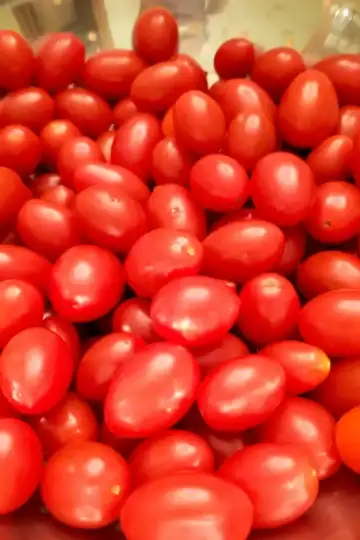
Another common reason food tastes bland is lack of acid. If something tastes dull, heavy, or like it is missing something but you cannot tell what, it often needs brightness. Lemon juice, vinegar, tomatoes, mustard, even pickle brine can wake up a dish instantly. Acid sharpens flavor. A cream sauce without acid tastes sleepy. A stew without acid can feel muddy. Sometimes one squeeze of lemon is the difference between boring and balanced.
Your Food Isn’t Browning
Heat matters just as much as seasoning. If food is not browned properly, flavor never develops. Browning onions until golden instead of just soft makes them sweeter and richer. Letting meat form a crust instead of stirring it constantly builds savory depth. Roasted vegetables need color on the edges to bring out their natural sugars. If everything is pale, soft, and steamed, the food will taste pale too.
Overcrowding the pan is another way to end up with tasteless food. When too much food is packed into one skillet, moisture gets trapped and ingredients steam instead of sear. That means no caramelization, no crust, and no concentrated flavor. Give food space in the pan. Give the food some room to groove. This is a great tip when making my Italian stuffed chicken breasts or City Chicken.
Join My Email List!
Get no-fuss recipes and real-world kitchen skills sent straight to your inbox.
Your Food is Missing Fat and Spices, Not Flavor
Fat also adds flavor. Butter, olive oil, cream, cheese, or pan drippings. These all give food richness and body. Without enough fat, dishes can taste thin even when seasoned correctly. This does not mean greasy food. I’m not saying to add Crisco shortening like my mom used to, but add a fat that adds something to the dish. Adding a dab of butter to a pan sauce before serving smooths it out.
Spices and herbs can help. Dumping extra garlic powder or paprika into a bland dish does not fix missing structure. Flavor works in layers. Earthy spices, bright herbs, savory aromatics, fresh finishing herbs—these all play different roles. They are called finishing herbs because they work best when you are finishing the dish. For example, add fresh basil at the end when you are making your red sauce. Adding basil to a red sauce or blush sauce makes all the difference. Fresh parsley, basil, cilantro, dill, green onions—these can lift a finished dish in ways dried herbs cannot. Freshness matters too. Old dried spices lose strength. Check the dates on your dried spices. Spices from 1997 will have lost their punch.
Why Texture and Temperature Matter Just as Much as Seasoning
Texture also changes how flavor is perceived. If every bite is soft and greasy, your brain reads the whole dish as dull even if the seasoning is decent. Crunchy breadcrumbs, toasted nuts, crisp vegetables, crackly roasted edges, those contrasts make food feel alive.
Temperature affects flavor as well. Food served lukewarm loses impact. Hot dishes need to be hot enough to release aroma. Cold dishes need to be chilled properly so they taste crisp and fresh.
Why Does My Chicken Taste Bland
Chicken is the most commonly reported bland protein and for good reason. It is a lean, mild meat with very little fat marbling to carry flavor on its own. That means everything depends on what you do to it before and during cooking.
- It wasn't seasoned before cooking. Salt applied to the surface of raw chicken needs time to penetrate the meat. Seasoning right before cooking seasons only the very exterior. Seasoning 30 minutes to an hour ahead, or overnight in the fridge, allows the salt to work its way into the flesh and produce flavor throughout rather than just on the surface.
- It wasn't browned. Pale, steamed chicken has no Maillard reaction and no developed flavor. The golden crust that forms when chicken hits a hot dry pan or oven rack is where most of the flavor comes from. If your chicken is cooked through but looks white and soft, it missed that step.
- The pan was too crowded. Crowding a pan with chicken pieces traps moisture and causes the chicken to steam in its own liquid rather than sear. The result is pale, wet chicken with no crust and no flavor development.
- It was overcooked. Chicken that goes past 165 degrees F loses moisture rapidly and the texture becomes dry and cottony. Dry chicken tastes bland because moisture carries flavor. An instant-read thermometer is the most reliable way to pull chicken at exactly the right moment.
- It was cooked from cold. Chicken straight from the fridge hitting a hot pan creates uneven cooking where the outside overcooks before the center reaches temperature. Letting chicken sit at room temperature for 15 to 20 minutes before cooking produces more even results.
How to Make Bland Chicken Taste Better
- Add acid. A squeeze of lemon juice or a splash of vinegar over cooked chicken immediately brightens the flavor and makes it taste more seasoned even without adding more salt.
- Add fat. A small pat of butter melted over warm chicken adds richness that makes the meat taste more substantial.
- Add a sauce. A well-seasoned pan sauce, cream sauce, or even a good jarred marinara can rescue chicken that came out underseasoned. The sauce carries the flavor the chicken couldn't develop on its own.
- Slice it thin and add it to something with more flavor. Thinly sliced bland chicken added to a well-seasoned stir fry, soup, or grain bowl absorbs the flavors around it quickly and becomes part of a dish that tastes complete.
Why Do Vegetables Taste Bland
- They weren't salted during cooking. Salt added only at the table seasons the surface of a cooked vegetable but never penetrates the flesh. Salt added at the beginning of cooking, when the vegetables first hit the pan or go into the oven, draws out moisture and seasons from the inside out. A light pinch when they first hit the heat makes a significant difference in the finished flavor.
- They weren't given enough heat. Vegetables that are steamed or boiled stay pale and mild because water cooking doesn't produce any browning. Roasting, sautéing, and grilling all create caramelization and charred edges that produce sweetness and depth that boiled vegetables never develop. If your vegetables consistently taste bland, switching from boiling to roasting is the single biggest improvement you can make.
- They were overcrowded in the pan. The same pan crowding problem that affects chicken affects vegetables. Too many vegetables packed into one pan trap moisture and the vegetables steam rather than roast. Give them space on the baking sheet or in the skillet so hot air or heat can circulate around each piece and produce color on the edges.
- They were overcooked. Overcooked vegetables lose both texture and flavor. Mushy broccoli and grey green beans taste bland partly because the cell structure has broken down and released the compounds that carry flavor. Vegetables should have some resistance when you bite into them. That slight firmness is where the flavor lives.
- They weren't finished with anything. Plain roasted vegetables are a starting point, not a finished dish. A drizzle of good olive oil, a squeeze of lemon, a handful of fresh herbs, a pinch of flaky salt, or a spoonful of a good sauce transforms them from a side dish into something people actually want to eat.
How to Make Bland Vegetables Taste Better
- Roast instead of boil. High heat caramelizes the natural sugars in vegetables and produces flavor that no amount of seasoning can replicate in boiled vegetables.
- Season in layers. Salt at the beginning of cooking, taste during, and finish with acid or fresh herbs at the end.
- Add fat after cooking. A small amount of butter or good olive oil added after roasting carries flavor across every surface of the vegetable and adds richness that makes them taste more complete.
- Use acid as a finisher. A squeeze of lemon juice or a small splash of vinegar over roasted or sautéed vegetables immediately brightens the flavor and makes everything taste more alive.
- Add contrast. Crunchy toppings like toasted breadcrumbs, chopped nuts, or seeds add texture that makes the vegetables more interesting to eat. Flavor contrast like a crumble of feta, a spoonful of tahini, or a drizzle of balsamic adds complexity that plain vegetables can't produce on their own.
- Don't skip aromatics. Garlic, shallots, or onion cooked alongside vegetables add a savory base that lifts the whole dish. Even a clove of garlic roasted alongside a sheet pan of vegetables changes the flavor of everything around it.
How Water Dilutes Flavor
Water is one of the most overlooked reasons food tastes bland, and it affects flavor in two distinct ways.
The first is direct dilution. When you add water to a dish, every cup of liquid you add increases the total volume without adding any flavor. The salt, spices, and aromatics you added at the start are now spread across a larger volume of liquid. The dish hasn't changed but the concentration of flavor per bite has dropped. This is why a soup that tasted well-seasoned after the first 20 minutes of simmering can taste flat by the time it's done. The longer it cooks with a lid on, the more steam cycles back into the pot, and the more the flavor dilutes.
The fix is to season in stages and taste after every addition of liquid. When you add broth, water, or cream, expect the flavor to drop and plan to adjust. This is not a mistake in the recipe. It is how cooking works.
The second way water affects flavor is through vegetables and proteins that release moisture during cooking. Mushrooms, zucchini, tomatoes, and spinach all contain significant amounts of water. When they hit a hot pan they release that moisture into the cooking environment. If the pan is crowded, that moisture has nowhere to go and the ingredients steam in their own liquid rather than browning. If the pan has enough space and heat, that moisture evaporates and the flavors concentrate. Same ingredients, completely different result depending on how you manage the water content.
Seasoning Ratios
There is no universal ratio for salt to food because it depends entirely on the dish, the ingredients, and personal preference. But there are useful starting points worth knowing.
- Pasta water A properly salted pot of pasta water should taste noticeably salty, not like the ocean but clearly seasoned. A common guideline is one tablespoon of salt per pound of pasta in a large pot of water. Most home cooks under salt pasta water significantly which means the pasta itself tastes bland before it ever reaches the sauce.
- Soups and stocks A general starting point is about half a teaspoon of salt per quart of liquid. Taste and adjust from there. Remember that ingredients like parmesan rinds, canned tomatoes, and cured meats all add sodium, so always taste before adding more salt.
- Meat Season more generously than feels comfortable before cooking. A significant amount of salt applied to the surface of meat before searing or roasting will partially absorb into the exterior and partially form the crust. Under-seasoning meat before cooking means no amount of sauce will fully compensate after the fact.
- Vegetables A light pinch of salt added when vegetables first hit the pan draws out moisture and seasons them from the inside as they cook. Salt added only at the end seasons the surface but not the flesh.
- Sauces Taste at the beginning, the middle, and before serving. Reduction concentrates both flavor and salt, so a sauce that was correctly seasoned early in cooking may taste too salty by the end. Start conservatively and adjust as the sauce reduces.
You’re Relying on Recipes Instead of Tasting
Taste, Taste, Taste. This is the habit that separates guessing from cooking with confidence. If you are not tasting while you cook, you are cooking blindfolded. You cannot know if a soup needs salt by looking at it. You cannot tell if a sauce needs acid by stirring it. Adjustments need to be made in real time.
Taste after every major step:
- After seasoning raw meat
- After sautéing onions or aromatics
- After adding broth or cream
- After simmering sauces
- Before serving anything
- If you feel the need to
And when you taste, make small adjustments:
- Add salt in pinches, not handfuls
- Add acid in drops, not tablespoons
- Add fat in tablespoons, not cups
Why Does you Food Taste Bland?
- Dull? Needs Salt.
- Heavy? Needs Acid.
- Dry? Needs Fat.
- Weak? Needs Browning.
Like my recipes? Click below to favorite Cleveland Cooking on Google so my posts pop up first when you search!
+ Favorite on Google Search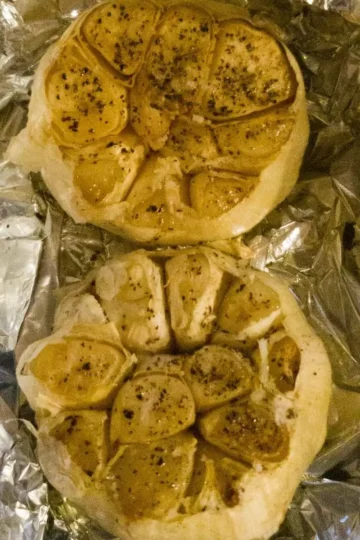

Leave a Reply
You must be logged in to post a comment.