

How to fix frosting starts with understanding why it broke in the first place. I've had batches go grainy, turn runny, and split completely, and in almost every case the culprit was temperature, too much liquid, or ingredients that weren't properly balanced. This guide covers the most common problems and gives you specific fixes for each one.
Lumpy Frosting
Lumps usually show up when the butter is too cold, sugar isn’t fully incorporated, or the emulsion hasn’t formed yet.
Fix cold butter lumps
- Warm the mixing bowl gently with a hair dryer, a warm towel, or 5–10 seconds in the microwave. Then whip until smooth.
- Keep mixing on medium-high speed—especially for Swiss meringue buttercream, the texture often smooths itself out after a minute or two.
Fix grainy sugar lumps
- Add 1 tablespoon of heavy cream or milk and beat on high speed.
- If it’s still gritty, push it through a fine mesh sieve.
Fix lumps from melted butter
- Chill the frosting in the fridge for 10–15 minutes, then re-whip until fluffy.
Lumps from powdered sugar clumps
- Powdered sugar can clump in the bag, especially in humid conditions. Always sift it before adding it to your frosting. If lumps appear after mixing, push the frosting through a fine mesh sieve and re-whip briefly.
Runny or Thin Frosting
Thin frosting usually comes from butter that's too warm or too much liquid in the mix. Keep your kitchen cool during mixing and add liquid ingredients gradually to avoid this entirely.
Quick fixes
- Chill it in the freezer for 15–20 minutes or fridge for about an hour, then re-whip to restore fluffiness.
- Add sifted powdered sugar one tablespoon at a time to thicken without over sweetening. Both my whipped peanut butter frosting and whipped salted caramel frosting can be thickened with a tablespoon of sifted powdered sugar.
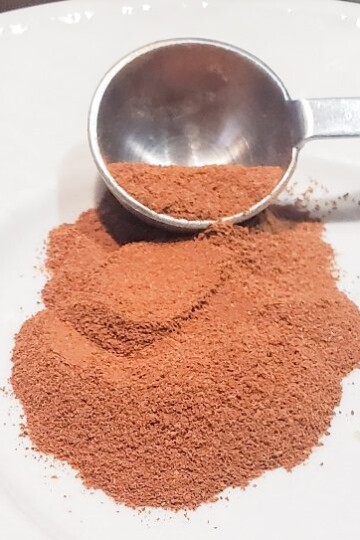
- For chocolate frosting, a spoonful of cocoa powder works well; for other flavors, 1–2 tablespoons of cornstarch helps absorb excess moisture.
- Adding 1–2 ounces of softened cream cheese can also improve structure, especially in cream-cheese-based or white frostings. My apple cider cream cheese frosting is a great example.
Separated or Curdled Buttercream
Buttercream can split if temperatures aren’t right.
How to rescue broken buttercream
- If it looks curdled but isn't fully split, it's likely a temperature issue. Warm the bowl slightly with a hair dryer or a brief warm water bath while mixing on low speed. If it's too warm and soupy, chill the whole bowl for 15 to 20 minutes, then whip on high speed to restore the texture.
How to fix split buttercream
- If neither of those fixes work, the fat and liquid have fully separated. Take two to three tablespoons of the mixture, melt it completely in the microwave until liquid, and slowly drizzle it back into the bowl while mixing on low speed. This re-emulsifies the fat and liquid and usually brings the frosting back together within a minute or two.
Making Frosting Ahead of Time
- Not all frostings can be made in advance. Whipped-cream-based frostings, like whipped cream or whipped cream-crème fraîche mixes, will droop or wilt if made too early. Save these for just before serving.
- However, whipped cream stabilized with cream cheese and/or mascarpone, like Chantilly frosting, holds up well stored in the fridge.
- European-style buttercreams are more stable and hold up well in the fridge for up to a week. My Chocolate Buttercream Frosting is a good example of one that actually improves with a day of rest as the flavors develop.
Storage
- American buttercream Room temperature up to 2 days, fridge up to 2 weeks.
- Cream cheese frosting Fridge only, up to 5 days.
- Whipped cream frosting Fridge only, up to 2 days.
- Swiss or Italian buttercream Room temperature up to 2 days, fridge up to 2 weeks.
- Whipped cream stabilized with cream cheese Fridge up to 3 days.
Choosing the Right Frosting for the Job
Choosing the right frosting before you start saves a lot of fixing later. Here's a quick guide to matching the frosting to the occasion.
- When to use American buttercream Casual gatherings, kids' parties, sheet cakes, anywhere you want easy and sweet. Like my easy vanilla cupcakes!
- When to use cream cheese frosting Carrot cake, red velvet, apple-flavored desserts, anything that benefits from a tangy balance.
- When to use Italian or Swiss buttercream Wedding cakes, layer cakes that need to hold in warm conditions, any cake being transported.
- When to use whipped cream frosting Light desserts, fruit-topped cakes, anywhere you want airy rather than rich.
- When to use French buttercream Chocolate desserts, dense cakes, anywhere richness is the goal.
For a deeper explanation of temperature and emulsification in buttercream, check out this Serious Eats guide on stable buttercream.
Join My Email List!
Get no-fuss recipes and real-world kitchen skills sent straight to your inbox.
Ingredient Temperatures Matter
Room-temperature ingredients are essential. Cold butter or eggs can cause frosting to break or curdle, while overly warm ingredients or a hot kitchen can make it melt.
- Keep ingredients on the counter for a few hours prior to mixing to ensure uniform temperature.
- If frosting begins to soften in a hot kitchen, place the mixing bowl in an ice bath to quickly chill it.
Frosting Temperatures
- Butter for American buttercream 65 to 68 degrees F. Soft enough to leave an indent when pressed but not shiny or greasy.
- Butter for European buttercream 65 to 68 degrees F. Same as above.
- Eggs Room temperature. Cold eggs prevent emulsification.
- Cream cheese Fully softened. At least 30 minutes at room temperature.
- Heavy cream for whipping Very cold. Straight from the fridge or briefly chilled in the freezer.
Balancing Sweetness
Frosting should be sweet, but not one-note sugar. Incorporate something tart like cream cheese, sour cream, crème fraîche, or mascarpone to balance flavors. Citrus zest adds brightness, and the goal is to taste buttery, not just sugar.
The ratio of fat to sugar is what determines how sweet a frosting tastes. American buttercream leans heavily on sugar which is why it tastes sweeter than a Swiss meringue that uses egg whites to dilute the sugar concentration. If you consistently find American buttercream too sweet, switching to a cream cheese base or a Swiss meringue will solve the problem structurally rather than requiring fixes every time.
How to Fix Frosting That Is Too Sweet
If your frosting tastes overly sweet, it usually means the sugar is overpowering the fat and liquid. American buttercream is especially prone to this because it relies heavily on powdered sugar. The good news is you can fix it without starting over.
Add a Pinch of Salt
Salt balances the sweetness.
- Start with a small pinch (about 1/16 teaspoon).
- Mix thoroughly and taste.
- Repeat in tiny amounts if needed.
Add More Fat to Balance the Sugar
Butter helps mellow sweetness and creates a more balanced flavor.
- Add 1–2 tablespoons of softened butter.
- Beat until fully incorporated.
- Taste and adjust.
Loosen with Cream or Milk
Adding liquid slightly dilutes the sugar concentration and smooths out the texture.
- Add 1 tablespoon at a time.
- Beat well after each addition.
- Stop once the flavor and consistency improve.
Add a Tangy Ingredient
A little acidity cuts sweetness better than anything else.
- Cream cheese (for a richer frosting).
- A small splash of lemon juice.
- A touch of sour cream.
Add Unsweetened Cocoa Powder
This works with chocolate frosting.
- Add 1–2 tablespoons of unsweetened cocoa powder.
- Mix thoroughly.
- Adjust with a splash of milk if needed.
Whip It Longer
Sometimes the issue is texture not sweetness.
- Beat the frosting for an extra 2–3 minutes.
- This incorporates air and makes it feel lighter.
- A lighter texture = less perceived sweetness.
Avoid Adding Too Much Liquid
Too much milk, cream, or flavoring can turn frosting into a drippy mess.
- Use concentrated flavorings (vanilla bean, citrus zest) instead of liquids.
- Gel-based colors prevent excess moisture.
- Add liquid gradually. Better to start dry and build up.
Frosting doesn't have to be intimidating. Once you understand what temperature, fat ratio, and ingredient balance actually do, most problems become easy to diagnose and fix before they ruin a batch. Whether you're working with a classic American buttercream, a tangy cream cheese frosting, or a whipped caramel topping, the principles are the same. Keep your ingredients at the right temperature, add liquids gradually, and know that almost anything can be rescued. Browse the Cleveland Cooking frosting recipes to find the one that fits your next bake.
Like my recipes? Click below to favorite Cleveland Cooking on Google so my posts pop up first when you search!
+ Favorite on Google Search


Leave a Reply
You must be logged in to post a comment.