

Make ahead pie crust is one of those recipes that makes holiday baking feel manageable rather than overwhelming. This version uses a food processor, cold butter, and cream cheese to produce a flaky, tender dough that freezes well for up to three months. Mix it once and have pie crust ready whenever you need it.
Why You Will Love This Make Ahead Pie Crust
- Cream Cheese Makes the Difference Using cream cheese alongside the butter creates a dough that is noticeably more tender and easier to roll than a standard all-butter crust. It adds fat and pliability without making the dough greasy or dense.
- Food Processor The food processor brings the dough together in seconds without any hand cutting or guesswork. The result is a consistent pea-sized crumb texture every time.
- Very Freezer Friendly This dough is designed to be made ahead and frozen for up to three months, which makes holiday prep significantly less stressful.
- Sweet or Savory It works for apple pie, pumpkin pie, chicken pot pie, and quiche. The flavor is neutral enough to complement almost any filling.
- No Rolling Pin Stress Rolling the dough between two sheets of parchment paper means no flour on the counter and no dough sticking to the surface. Quarter-inch dowels used as guides produce consistent thickness every time.
Ingredients for the Best Make Ahead Pie Crust
- All-Purpose Flour Unbleached all-purpose flour provides the structure. Measure by weight or use the spoon-and-level method. Scooping directly from the bag packs the flour and produces a dry, dense crust.
- Granulated Sugar Two tablespoons adds a subtle sweetness and helps the crust develop a golden color in the oven. It is a small enough amount that it doesn't make the crust taste sweet, which is why this dough works for savory fillings as well.
- Sea Salt Essential for flavor. Salt balances the richness of the butter and cream cheese and prevents the crust from tasting flat regardless of what filling goes inside it.
- Unsalted Butter Must be very cold. Cold butter creates steam pockets as it bakes, which is what lifts the layers of dough and produces the flaky texture. Cut into quarter-inch cubes and freeze for 10 minutes before using. Warm butter produces a greasy, crumbly crust with no flake.
- Cream Cheese Also must be cold. This is the ingredient that sets this crust apart from a standard recipe. It adds fat for richness and tenderness while making the dough significantly more pliable than a pure butter crust. Break it into small chunks and freeze alongside the butter for 10 minutes before processing.
- Heavy Cream Used to bind the dough. It adds richness that water doesn't provide and produces a more tender finished crust. Add three tablespoons to start and increase by a teaspoon at a time until the dough clumps when pressed between your fingers.
Making the Simple Make Ahead Pie Crust
- Cut the butter into quarter-inch cubes and break the cream cheese into small chunks. Place both on a plate and freeze for 10 minutes. This keeps the fat as cold as possible before processing.
- Add the flour, sugar, and sea salt to the bowl of a food processor and pulse two or three times to combine.
- Add the chilled butter and cream cheese to the flour mixture. Pulse five to seven times until the mixture resembles coarse sand with pea-sized pieces of fat still visible. Do not over-process. Those visible fat pieces are what create the flaky layers during baking.
- With the food processor running, drizzle in three tablespoons of cold heavy cream. Stop and check the dough. It should clump together when pressed between your fingers but still look crumbly in the bowl. If it is too dry, add more cream one teaspoon at a time and pulse briefly between each addition.
- Turn the dough out onto a clean surface and knead it once or twice just to bring it together. Do not overwork it.
- Divide the dough into two equal portions and shape each into a flat disk.
- Roll each disk between two sheets of parchment paper to a thickness of about one eighth of an inch. Quarter-inch square dowels placed on either side of the dough work well as thickness guides.
- Slide the parchment-sandwiched disks onto a baking sheet and refrigerate for at least 20 minutes. This allows the gluten to relax and the fat to firm back up, which prevents the crust from shrinking during baking.
- If using the same day, remove the top sheet of parchment, flip the dough into your pie tin, and peel away the remaining parchment. Crimp the edges and fill or blind bake as your recipe directs.
- If freezing for later, wrap each rolled disk tightly in plastic wrap, parchment and all, and place flat in the freezer for up to three months.
- When ready to use a frozen disk, remove the plastic wrap and place the frozen dough directly onto the pie tin. Let it thaw at room temperature for about 20 minutes. It will soften and settle naturally into the shape of the tin without cracking.
Tips on Making the Easy Pie Crust
- Freeze the butter and cream cheese for 10 minutes before processing even if they came straight from the fridge. The food processor generates friction and heat quickly, and starting with colder fat gives you more time to pulse without warming the dough.
- Stop processing the moment the mixture looks like coarse sand with pea-sized butter pieces still visible. Those visible pieces of fat are what produce the flaky layers during baking. A fully smooth dough has no flake.
- The dough should clump when you press it between your fingers but look crumbly in the bowl. If it holds together when squeezed it is ready. If it crumbles apart it needs another teaspoon of cream.
- When rolling between parchment, chill the rolled dough flat on a baking sheet rather than folding it. Folding can crack the dough and create weak spots that tear when you transfer it to the pie tin.
- For the freeze-in-place method, place the frozen rolled dough directly onto the pie tin and let it thaw for about 20 minutes at room temperature. It will drape naturally into the shape of the tin without cracking from being handled while cold and brittle.
Troubleshooting Your Pie Crust
- Dough is crumbly and won't come together Not enough cream was added. Add one teaspoon at a time and pulse briefly between each addition until the dough clumps when pressed between your fingers.
- Dough is too sticky to roll Too much cream was added or the fat warmed up during processing. Wrap the dough and refrigerate for 20 minutes before rolling. The cold will firm it back up.
- Crust is tough after baking The dough was overworked. This develops gluten and produces a chewy rather than tender crust. The food processor method is faster and more consistent than hand mixing, but even in the processor too many pulses after the cream is added will develop the gluten. Stop as soon as the dough comes together.
- Crust is shrinking during baking The dough wasn't rested long enough before going into the oven. The minimum 20-minute chill after rolling allows the gluten to relax. Skipping this step causes the dough to contract in the oven and pull away from the edges of the tin.
- Crust has no flake The butter and cream cheese were too warm when processed. Visible pea-sized pieces of fat in the dough are what create flaky layers during baking. If the fat was processed too fine or too warm those pieces disappeared before they could do their job.
- Frozen dough cracked when transferring to the pie tin It was too cold and rigid when handled. Always let the frozen dough sit at room temperature for 10 to 15 minutes before attempting to shape it. Alternatively use the freeze-in-place method where the frozen disk goes directly onto the tin and thaws in position.
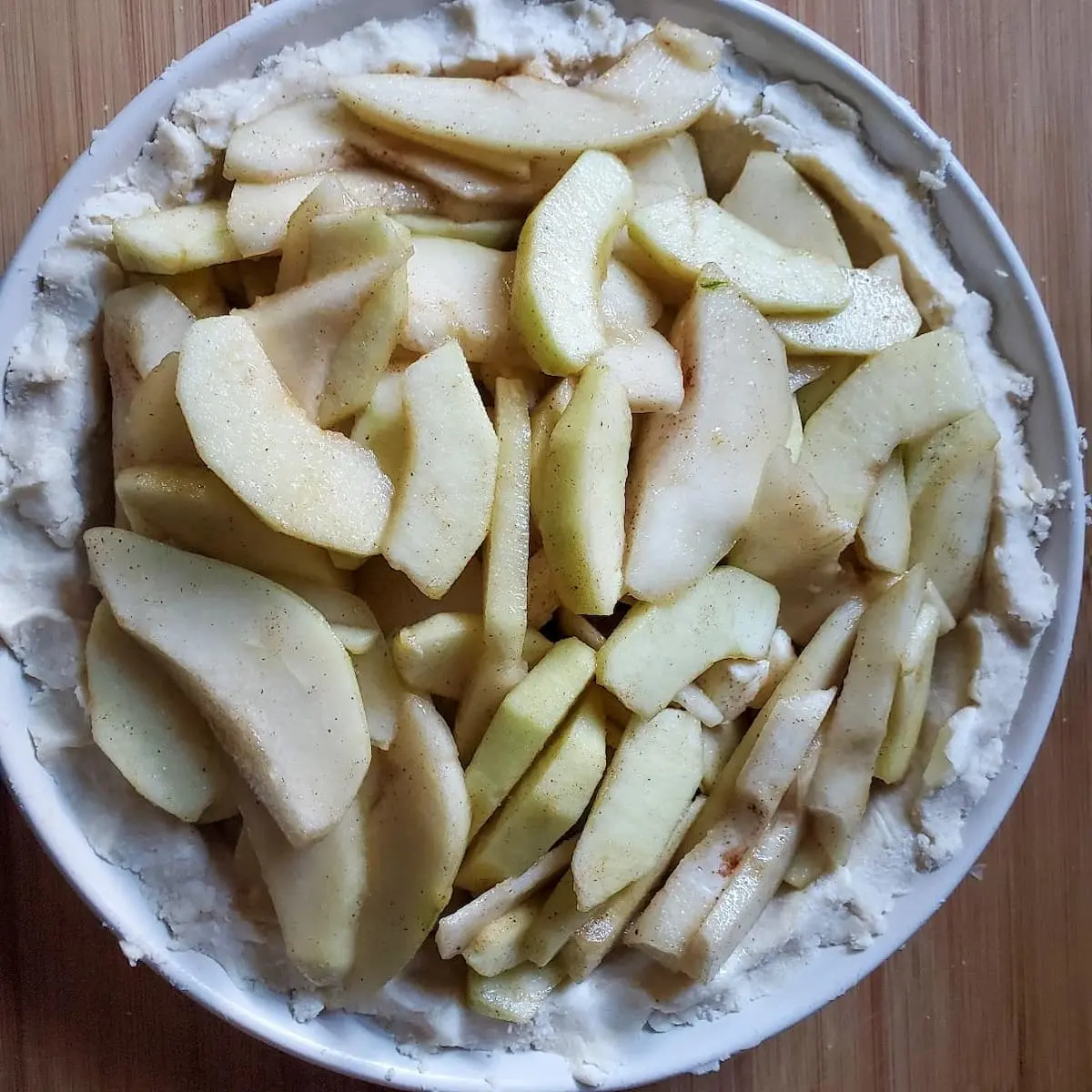
The make ahead pie crust recipe is perfect for the apple pear crumble pie, or add a chocolate mousse to your next dessert. Try my almond flour crust for your next quiche.
Please try some of my other dessert recipes!
FAQ's
You can prepare this pie crust up to three days ahead of time if you store it properly wrapped in the freezer.
Keeping the butter and cream cheese as cold as possible is crucial. This helps create pockets of fat in the dough, which melt during baking to produce a flaky and tender crust, rather than a tough one.
For easier rolling and consistent thickness, place the dough between two pieces of parchment paper. Aim for a thickness between ⅙ to ⅛ inch. Using dowels as guides can help achieve an even thickness.
Join My Email List!
Get no-fuss recipes and real-world kitchen skills sent straight to your inbox.
When ready to use frozen dough, simply unwrap it and place it directly into your pie tin. As the dough thaws, it will gently take the shape of the tin. Allow it to thaw completely before proceeding with your pie filling and baking instructions.
Yes, this versatile pie crust works well for both sweet and savory applications. It is neutral enough to complement fillings like chicken pot pie, quiche, or a savory tart.
Recipe
Make Ahead Pie Crust
Ingredients
- 2 cups unbleached all purpose flour
- 2 tablespoons sugar
- ½ teaspoons sea salt
- 12 tablespoons cold unsalted butter
- 6 ounces cold cream cheese
- 3-5 tablespoons cold heavy cream
Method
- Cut the butter into quarter-inch cubes and break the cream cheese into small chunks. Place both on a plate and freeze for 10 minutes. This keeps the fat as cold as possible before processing.
- Add the flour, sugar, and sea salt to the bowl of a food processor and pulse two or three times to combine.
- Add the chilled butter and cream cheese to the flour mixture. Pulse five to seven times until the mixture resembles coarse sand with pea-sized pieces of fat still visible. Do not over-process. Those visible fat pieces are what create the flaky layers during baking.
- With the food processor running, drizzle in three tablespoons of cold heavy cream. Stop and check the dough. It should clump together when pressed between your fingers but still look crumbly in the bowl. If it is too dry, add more cream one teaspoon at a time and pulse briefly between each addition.
- Turn the dough out onto a clean surface and knead it once or twice just to bring it together. Do not overwork it.
- Divide the dough into two equal portions and shape each into a flat disk.
- Roll each disk between two sheets of parchment paper to a thickness of about one eighth of an inch. Quarter-inch square dowels placed on either side of the dough work well as thickness guides.
- Slide the parchment-sandwiched disks onto a baking sheet and refrigerate for at least 20 minutes. This allows the gluten to relax and the fat to firm back up, which prevents the crust from shrinking during baking.
- If using the same day, remove the top sheet of parchment, flip the dough into your pie tin, and peel away the remaining parchment. Crimp the edges and fill or blind bake as your recipe directs.
- If freezing for later, wrap each rolled disk tightly in plastic wrap, parchment and all, and place flat in the freezer for up to three months.
- When ready to use a frozen disk, remove the plastic wrap and place the frozen dough directly onto the pie tin. Let it thaw at room temperature for about 20 minutes. It will soften and settle naturally into the shape of the tin without cracking.
Nutrition
Notes
- Measuring Flour: For the best results, weigh your flour or use the "spoon and level" method. Scooping the cup directly into the bag can pack the flour and lead to a dry crust.
- Blind Baking: If you are making a custard pie (like pumpkin) or a fresh fruit tart, you may need to blind bake the crust first. Line the frozen crust with parchment and pie weights, then bake at 400°F for 15–20 minutes.
- Storage: The dough disks can be stored in the refrigerator for 3 days or frozen for up to 3 months. Thaw frozen blocks in the fridge overnight before rolling.
Private Notes
Tried this recipe?
Let us know how it was!Like my recipes? Click below to favorite Cleveland Cooking on Google so my posts pop up first when you search!
+ Favorite on Google Search
Leave a Reply
You must be logged in to post a comment.