

Want to learn how to make brown butter? Brown butter takes one ingredient and turns it into something that tastes toasty, nutty, and almost caramelized, just by cooking off the water and letting the milk solids brown. It takes about 10 minutes on the stove, and it works in almost anything regular butter would go into.
Why You Will Love Brown Butter
- One Ingredient, Big Flavor. Nothing changes but the butter itself, and the flavor payoff is enormous for how little effort it takes.
- Ready in Under 15 Minutes. This comes together fast on the stove, with no special equipment required.
- Works in Almost Anything. Swap it in for regular butter in cookies, cakes, pasta sauces, or roasted vegetables.
- Freezer Friendly. A batch keeps well in the fridge or freezer, so it is easy to make ahead of when you actually need it.
- A Nut Allergy Workaround. The toasty, nutty flavor can stand in for the missing nut element in baked goods when someone cannot have actual nuts.
Ingredient for Brown Butter
Unsalted butter is the only ingredient here, and unsalted is worth sticking to since salted butter foams more as it melts, which makes it harder to see the color changing underneath. Try to use high quality butter.
How Much Butter to Start With
Browning butter cooks off its water content, so you end up with less than you started with, typically a 15 to 25 percent loss by weight or volume. In practical terms, if a recipe calls for a half cup of already browned butter, start with roughly 10 to 12 tablespoons of regular butter, a couple tablespoons over the half cup mark, rather than measuring out exactly a half cup before browning it.
For a full cup of finished brown butter, start with about 1 ¼ cups of regular butter. The safest approach is to weigh the butter before and after browning if you have a kitchen scale, since the exact loss varies a bit by brand and butterfat content, and adjust the next time based on what you actually got. I recently did this on a recipe I am working on and the 1 ¼ cups I used yielded almost exactly 1 cup of brown butter.
Making the Best Brown Butter
- Cut the butter into even sized pieces, so it melts evenly and at the same rate.
- Place the butter in a light colored skillet over medium heat. Swirl the pan as it melts to help it heat evenly.
- Once melted, the butter will foam and sizzle around the edges. Keep stirring or swirling occasionally during this stage.
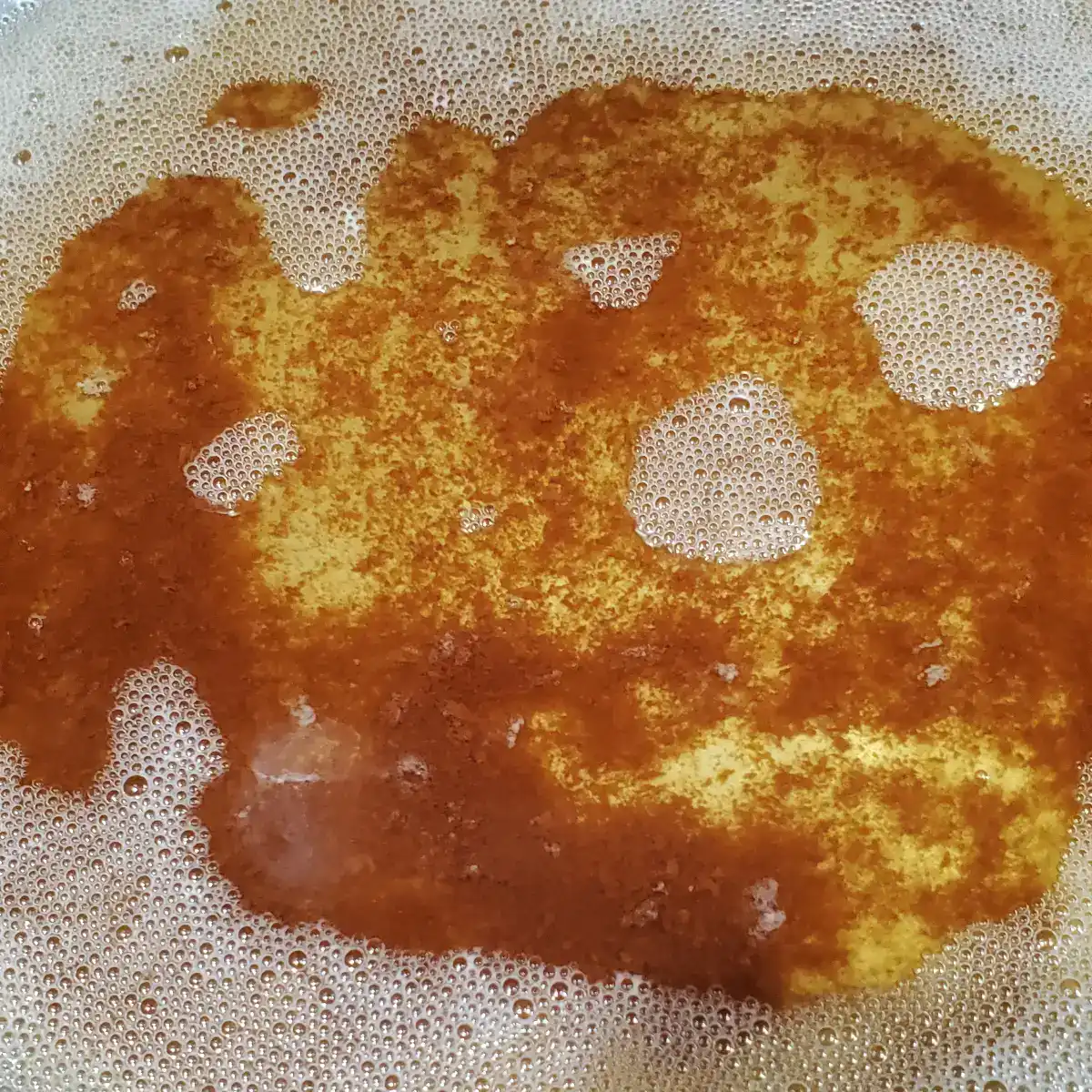
- As the foam starts to subside, watch closely, since the butter moves from foaming to browning quickly from this point. Look for small golden brown specks settling at the bottom of the pan and a nutty aroma. Stir the butter to keep the specks from settling on the bottom of the pan and burning.
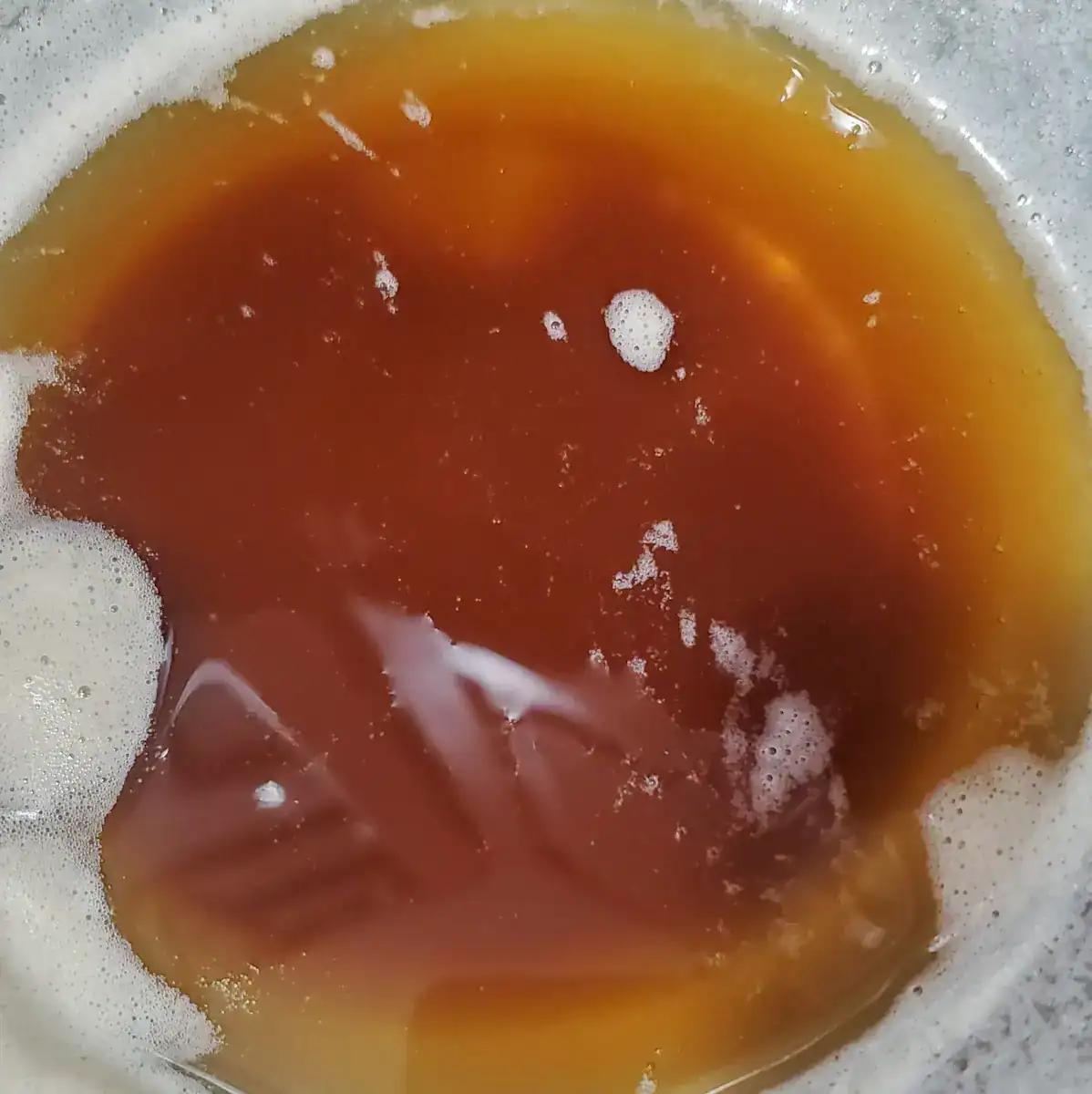
- As soon as the butter turns golden brown, smells toasty, and especially before the specks get too brown, remove the pan from the heat immediately and transfer the butter to a heatproof bowl, scraping in the browned bits from the bottom of the pan, since that is where most of the flavor is.
- Let the butter cool slightly before using it in baking, where the temperature and consistency of the butter often affects the final result.
Tips on Making Delicious Brown Butter
- Use a light colored pan, not a dark or nonstick one. You genuinely cannot judge the color of the milk solids browning if the pan itself is dark.
- Scrape every bit of the browned solids out of the pan rather than leaving them behind. Most of the flavor lives in those small toasted flecks.
- Take the pan off the heat a shade earlier than you think you need to. Butter keeps browning for a few extra seconds off the heat from residual warmth, and it goes from perfectly browned to burnt fast.
- Brown butter is not the same thing as ghee, though the two are related. Ghee has the milk solids strained out after melting, while brown butter keeps them in, browned, which is exactly where the nutty flavor comes from.
Troubleshooting the Brown Butter
- Butter burned instead of browned. This usually means it was left on the heat a bit too long once the foam subsided, since the transition from browned to burnt happens quickly. Watch closely once the foam starts to quiet down, and pull it off the heat as soon as it smells nutty and looks golden brown.
- Butter looks browned but tastes bitter. This is a sign it went slightly too far. Burnt butter cannot really be salvaged, so it is worth starting over with a fresh batch rather than trying to fix it.
- Hard to tell if it is actually browning. Switch to a light colored pan if you are using a dark one, since it is genuinely difficult to see the milk solids changing color against a dark surface.
It usually takes about 10 minutes, depending on how much butter you are browning and how hot your stove runs.
Yes, once it has cooled. It keeps in an airtight container in the fridge for up to 2 weeks, or in the freezer for up to 3 months.
Join My Email List!
Get no-fuss recipes and real-world kitchen skills sent straight to your inbox.
Yes, it is also called beurre noisette, French for hazelnut butter, named for the nutty aroma that develops as it browns.
No. It is the same butter, just with some of the water cooked off, so it is slightly more concentrated by volume, but the fat and calorie content is not actually different in a way worth calling healthier.
Start with a bit more than a half cup of regular butter, since you lose 15 to 25 percent of the volume to evaporation. For a half cup finished amount, 10 to 12 tablespoons of regular butter going in is a safer starting point than measuring exactly a half cup.
Is Brown Butter the Same as Caramel
No. The flavor gets compared to caramel a lot, and it is a fair comparison, but the two are not made the same way. Caramel comes from sugar alone breaking down under heat. Brown butter gets its color and flavor from the milk proteins and milk sugars in butter reacting together in what is called the Maillard reaction, the same basic browning reaction responsible for a seared steak or toasted bread. The results taste similar in a toasty, slightly sweet way, but one is sugar browning on its own and the other is milk solids browning inside fat.
Some Other Things Worth Knowing About Brown Butter
A good substitute for brown butter is hard to come by, since the flavor is specific to this process, though a splash of vanilla or maple syrup stirred into melted regular butter gets you partway there in a pinch. It is not something you will typically find pre-made at a regular grocery store, this is a from-scratch technique rather than a packaged product.
If you have ever run across a brown butter old fashioned, that is a cocktail variation using a brown butter washed bourbon or a brown butter simple syrup, a fun rabbit hole if you want to take this past the kitchen.
Brown butter is one of those techniques that costs almost nothing extra and pays back far more than the five minutes it takes. Once you have made it once and know what to watch for, it becomes one of those things you reach for automatically, in cookies, over roasted vegetables, or tossed with pasta, since it turns something as plain as melted butter into a flavor that tastes like it took a lot more effort than it did.
Recipes on my site that brown butter could be incorporated into:
- Pumpkin Spice Shortbread
- Chai Shortbread
- Pumpkin Cake
- Apple Muffins
- Orange Cranberry Shortbread
- Apple Cider Cream Cheese Frosting
Recipe
How To Make Brown Butter | Cleveland Cooking
Method
- Cut the butter into even sized pieces, so it melts evenly and at the same rate.
- Place the butter in a light colored skillet over medium heat. Swirl the pan as it melts to help it heat evenly.
- Once melted, the butter will foam and sizzle around the edges. Keep stirring or swirling occasionally during this stage.
- As the foam starts to subside, watch closely, since the butter moves from foaming to browning quickly from this point. Look for small golden brown specks settling at the bottom of the pan and a nutty aroma.
- As soon as the butter turns a deep golden brown and smells toasty, remove the pan from the heat immediately and transfer the butter to a heatproof bowl, scraping in the browned bits from the bottom of the pan, since that is where most of the flavor is.
- Let the butter cool slightly before using it in baking, where the temperature and consistency of the butter often affects the final result.
Nutrition
Private Notes
Tried this recipe?
Let us know how it was!Like my recipes? Click below to favorite Cleveland Cooking on Google so my posts pop up first when you search!
+ Favorite on Google Search

Leave a Reply
You must be logged in to post a comment.