

There is something undeniably elegant about a classic Orange Cardamom Shortbread. Unlike heavily frosted sugar cookies, this recipe relies on high-quality butter and aromatic spices to do the heavy lifting. Scented with fresh orange zest and warm ground cardamom, these cookies are a melt-in-your-mouth treat that pairs beautifully with your afternoon coffee.
Why You'll Love the Orange Cardamom Shortbread
- Aromatic & Cozy: Cardamom is the secret weapon here. It bridges the gap between cinnamon and ginger, adding a warmth that pairs beautifully with citrus.
- Melt-in-Your-Mouth Texture: Because this recipe relies on butter and sugar (and usually no eggs), you get that classic sandy shortbread texture that snaps when you bite it and melts on your tongue.
- Make-Ahead Friendly: You can keep the dough in the fridge for up to 3 days or freeze it for a month, making this the ultimate "emergency" cookie for unexpected guests.
Key Ingredients In the Shortbread
This recipe uses a short list of pantry staples, which means the quality of your ingredients really shines through.
- Unsalted Butter: Since butter is the main flavor carrier here, I recommend using a high-quality brand if you can. Using unsalted butter gives you complete control over the saltiness. Make sure your butter is at room temperature so it creams easily with the sugar, but not so soft that it’s oily.
- Fresh Orange Zest: You will want the zest of about two medium oranges. The trick is to only grate the bright orange outer layer, avoiding the bitter white pith underneath. Rubbing this zest directly into the sugar is what gives the entire cookie that floral, citrusy aroma.
- Ground Cardamom: This spice is warm, slightly floral, and incredibly aromatic. A little goes a long way! If your jar of cardamom has been sitting in the cupboard for a few years, give it a sniff—if it doesn't smell potent, it might be time for a fresh jar to get the best flavor.
- Granulated Sugar: We use standard white sugar here to keep the texture crisp. Brown sugar would add moisture and make the cookie chewier, which isn't what we want for a classic shortbread snap.
How to Make Orange Cardamom Shortbread
- Infuse the Sugar: Start by combining your granulated sugar, orange zest, and ground cardamom in your mixing bowl. This will take a minute or two. Combining the orange and cardamom with the sugar will spread the flavor throughout each cookie.
- Make the Dough: Add your room-temperature butter to the sugar mixture and cream them together until combined. Then, mix in the vanilla and flour. The dough might look crumbly at first, almost like wet sand. This is normal! Test it by squeezing a small amount in your hand—if it holds together, it is ready. Avoid adding liquid, as that will make the cookies tough.
- Roll and Chill: Gather the dough into a flat square. Instead of flouring your counter (which adds extra wheat and dries out the cookie), place the dough between two sheets of parchment paper. Roll it out to about ¼ inch thickness using ¼ inch square dowels as a guide. Slide the parchment-sandwiched dough onto a baking sheet and place it in the fridge for 20 minutes. Chilling it flat makes it much easier to cut clean shapes later.
- Cut and Chill Again: Once firm, peel off the top parchment and use your cookie cutters to stamp out your shapes. Place them on a parchment-lined baking sheet. I use a 2 ½ inch round cookie cutter. I have found that size works best.
- The Second Chill: Pop the baking sheet back in the fridge for another 10-15 minutes before baking. This relaxes the gluten and solidifies the butter, ensuring your cookies keep their sharp edges and don't spread in the oven.
- Bake: Bake at 350°F (175°C) for 10-12 minutes. You are looking for the edges to turn a light golden brown, while the tops remain pale. Let them cool on the baking sheet for 10 minutes before moving them—they are fragile when hot!
The Secret to Big Flavor:
To get the most flavor out of your citrus, mix orange zest into the granulated sugar together before you cream the butter. The friction releases the natural orange oils into the sugar, creating a vibrant, citrus-infused base.
Tips for Rolling Shortbread Dough
- Use Parchment, Not Flour: Roll the dough between two sheets of parchment paper. This prevents sticking without adding extra flour, which can make the cookies tough and dry.
- Chill After Cutting: Once you stamp out your rounds or squares and place them on a lined baking sheet, pop the baking sheet in the fridge for 10 minutes before baking. This relaxes the gluten and ensures your shapes stay sharp with crisp edges.
Variations & Serving Ideas
While I love the simplicity of this recipe as written, shortbread is a fantastic blank canvas. Here are a few ways to dress these cookies up or swap out flavors based on what you have in your pantry.
- Dark Chocolate Dipped: Orange and chocolate are a classic combination. Melt some dark chocolate (or semi-sweet chips) and dip half of each cooled cookie. Place them on parchment paper to set. This would be a great alternative to my Chocolate Peppermint Cookies if you want something less sweet.
- Add a Citrus Glaze: If you prefer a sweeter cookie, whisk together powdered sugar and a teaspoon of fresh orange juice until smooth. Drizzle it over the cookies for a bright, tangy finish.
- Swap the Citrus: If you are out of oranges, this recipe works just as well with lemon or even grapefruit zest. A lemon-cardamom version tastes bright and sunny.
- Spice Adjustments: Cardamom has a distinct, floral flavor. If it isn't your favorite, you can easily swap it for cinnamon, ground ginger, or pumpkin pie spice for a warmer, cozier profile.
Like the shortbread, try my orange cut out cookies!
FAQ's:
I recommend using unsalted butter so you can control the salt level. Shortbread relies heavily on the butter flavor, and different brands of salted butter vary wildly in salt content. If you only have salted, just omit the pinch of salt in the recipe.
Not at all! This is actually the classic texture we are looking for. As long as the dough holds together when you squeeze it in your palm, it is ready to roll. Avoid adding water or milk, as that will change the texture from "melt-in-your-mouth" to tough.
Yes, shortbread is very freezer-friendly. You can freeze the log of dough for up to a month. When you are ready to bake, simply slice them (or roll and cut) and bake from frozen—just add an extra minute or two to the bake time.
While cardamom provides that unique warmth, you can swap it for cinnamon or even a little ground ginger. The flavor profile will change, but the buttery texture will remain delicious.
The first chill relaxes the gluten so the dough doesn't shrink when you roll it. The second chill (after cutting) solidifies the butter. This ensures your cookies keep their sharp edges and don't spread into puddles in the hot oven.
If you like these cookies, try my Orange Cranberry Shortbread, or my Chai Shortbread.
Recipe
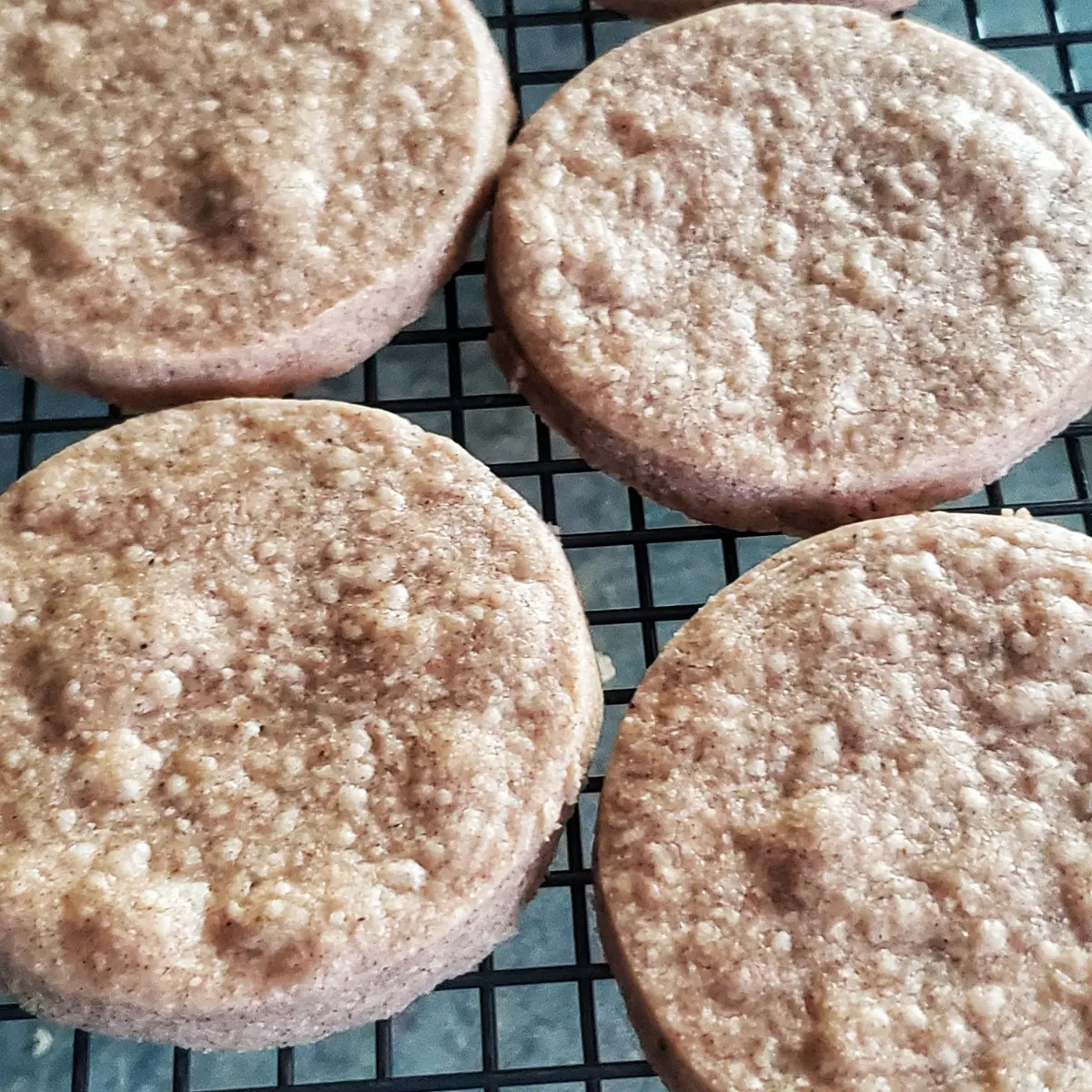
Buttery Orange Cardamom Shortbread Cookies
Ingredients
- ⅓ cup sugar
- 1 tablespoon ground cardamom
- zest of two oranges
- 9 tablespoons of room temperature unsalted butter
- 1 teaspoon of vanilla extract
- 1 ⅔ cups all-purpose flour
Equipment
- Parchment paper So the dough does not stick to the rolling surface and to line the baking sheet.
- ¼ inch square dowels For rolling out the dough to ¼ inch thickness.
- 2 ½ inch round cookie cutter I have found that this is the best size for the cookies.
- Baking sheet Aluminum baking sheets work best for controlling browning ore than darker baking sheets
Method
- Place sugar, cardamom, and orange zest in a mixing bowl or bowl of a stand mixer and combine. About 2 minutes.
- Add butter and cream, about 2-3 minutes.
- Add vanilla and combine.
- Add flour. Combine until the dough starts to come together. It should hold when you press the dough together with your fingers.
- Place dough between two sheets of parchment paper. Roll the dough to about ¼ inch thickness. Chill for 20 minutes.
- Use your favorite cookie cutters to cut out shapes from the chilled dough and place the cut-out cookies on a parchment-lined baking sheet.
- Chill for an additional 20 minutes. This will keep the shortbread from spreading.
- Bake for 10-12 minutes at 350 degrees F. The edges should be golden brown.
- Let cool for 10 minutes (to keep the shortbread from breaking) and place on a cooling rack.
Nutrition
Notes
- The "Sand Texture": Don't panic if the dough looks crumbly in the bowl (like wet sand). As long as it clumps together when squeezed, it is perfect. If you overmix it to try and make it a solid ball, the cookies will be tough.
- Why the Double Chill? Chilling the dough flat makes it easier to cut clean shapes without sticking. Chilling the cut shapes solidifies the butter so they don't puddle in the oven.
- Re-rolling Scraps: You can gather the scraps and re-roll them, but they may need to be chilled again if the dough gets too warm/soft to handle.

Leave a Reply
You must be logged in to post a comment.