

If your food tastes bland, it’s usually not because the recipe failed. Most of the time, bland food happens because flavor never got built in the first place. A dish can have all the right ingredients and still fall flat if the seasoning is off, the heat is wrong, or you are not tasting as you go. Taste, taste, taste!
Layering Your Seasoning With Salt and Acid
Your food may taste bland mainly because of underseasoning, but that does not just mean adding more salt at the table. You shouldn’t even have salt at the table. Especially iodized salt. If you do insist on having salt then please use sea salt. Salt has to be added in layers while you cook. Salt is not added all at once. Meat should be seasoned before it cooks. Vegetables should be lightly salted as they soften. Soups, sauces, casseroles, and pasta dishes all need seasoning adjusted in stages. That layering is what creates depth instead of flatness.
Another common reason food tastes bland is lack of acid. If something tastes dull, heavy, or like it is missing something but you cannot tell what, it often needs brightness. Lemon juice, vinegar, tomatoes, mustard, even pickle brine can wake up a dish instantly. Acid sharpens flavor. A cream sauce without acid tastes sleepy. A stew without acid can feel muddy. Sometimes one squeeze of lemon is the difference between boring and balanced.
Heat and Overcrowding
Heat matters just as much as seasoning. If food is not browned properly, flavor never develops. Browning onions until golden instead of just soft makes them sweeter and richer. Letting meat form a crust instead of stirring it constantly builds savory depth. Roasted vegetables need color on the edges to bring out their natural sugars. If everything is pale, soft, and steamed, the food will taste pale too.
Overcrowding the pan is another way to end up with tasteless food. When too much food is packed into one skillet, moisture gets trapped and ingredients steam instead of sear. That means no caramelization, no crust, and no concentrated flavor. Give food space in the pan. Give the food some room to groove.
Adding Fat and Spices
Fat also adds flavor. Butter, olive oil, cream, cheese, or pan drippings. These all give food richness and body. Without enough fat, dishes can taste thin even when seasoned correctly. This does not mean greasy food. I’m not saying to add Crisco shortening like my mom used to, but add a fat that adds something to the dish. Adding a dab of butter to a pan sauce before serving smooths it out.
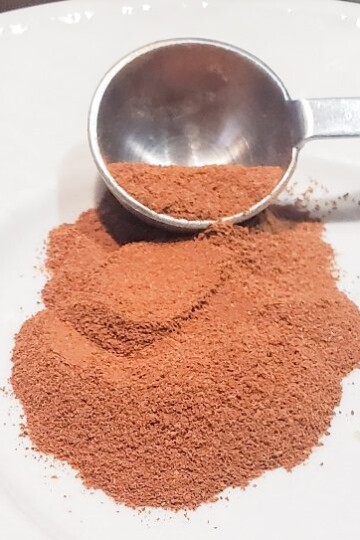
Spices and herbs can help. Dumping extra garlic powder or paprika into a bland dish does not fix missing structure. Flavor works in layers. Earthy spices, bright herbs, savory aromatics, fresh finishing herbs—these all play different roles. They are called finishing herbs because they work best when you are finishing the dish. For example, add fresh basil at the end when you are making your red sauce. Fresh parsley, basil, cilantro, dill, green onions—these can lift a finished dish in ways dried herbs cannot. Freshness matters too. Old dried spices lose strength. Check the dates on your dried spices. Spices from 1997 will have lost their punch.
Texture and Temperature
Texture also changes how flavor is perceived. If every bite is soft and greasy, your brain reads the whole dish as dull even if the seasoning is decent. Crunchy breadcrumbs, toasted nuts, crisp vegetables, crackly roasted edges—those contrasts make food feel alive.
Temperature affects flavor as well. Food served lukewarm loses impact. Hot dishes need to be hot enough to release aroma. Cold dishes need to be chilled properly so they taste crisp and fresh.
In my opinion, the biggest fix for bland food is this:
Taste. Taste. Taste!
This is the habit that separates guessing from cooking with confidence.
If you are not tasting while you cook, you are cooking blindfolded. You cannot know if a soup needs salt by looking at it. You cannot tell if a sauce needs acid by stirring it. Adjustments need to be made in real time.
Taste after every major step:
- After seasoning raw meat
- After sautéing onions or aromatics
- After adding broth or cream
- After simmering sauces
- Before serving anything
- If you feel the need to
And when you taste, make small adjustments:
- Add salt in pinches, not handfuls
- Add acid in drops, not tablespoons
- Add fat in tablespoons, not cups


Leave a Reply
You must be logged in to post a comment.