

This creamy Asiago cheese sauce is a smooth, nutty, 15-minute sauce made with real Asiago and a stabilized cheese base that won’t turn grainy or separate. It’s an easy way to upgrade pasta, chicken, or vegetables without relying on jarred sauces. This savory, homemade cheese sauce uses simple pantry staples like butter, milk, and real aged Asiago to create a smooth topping that the whole family will enjoy. It is honest comfort food made simple. I hope you enjoy this Salsa de Crema!
Jump to What You Need-
- Why You Will Love This Asiago Sauce
- Why This Asiago Cheese Sauce Works
- How to Thin Your Sauce Without Losing Flavor
- Why Asiago Cheese Sauce Can Turn Grainy
- Why Your Asiago Sauce Turns Out Too Thick
- How to Use The Asiago Sauce
- Ingredients for the Easy Asiago Cheese Sauce
- How to Make the 15 Minute Asiago Cheese Sauce
- FAQ's
Why You Will Love This Asiago Sauce
- Fast and Fresh: It goes from the stovetop to the table in fifteen minutes, which is faster than ordering takeout.
- Pantry Friendly: You likely already have the base ingredients like butter, flour, and milk in your kitchen right now.
- Better Than Jarred: Making this from scratch means no preservatives and a much smoother texture than store-bought alternatives.
- Versatile Flavor: The nuttiness of the Asiago pairs just as well with a steak sandwich as it does with steamed broccoli.
Why This Asiago Cheese Sauce Works
- Controlled heat Keeping the temperature low prevents separation and graininess.
- Balanced ratio Enough liquid to keep it smooth, enough cheese for flavor.
- Simple technique No complicated steps — just timing and patience.
How to Thin Your Sauce Without Losing Flavor
- Add warm liquid slowly Use milk, cream, or even a little pasta water.
- Reheat gently Too much heat will break the sauce instead of loosening it.
Why Asiago Cheese Sauce Can Turn Grainy
- Heat is too high Asiago doesn’t like high heat. If the sauce gets too hot, the proteins tighten and the cheese turns grainy instead of smooth.
- Cheese added too quickly Dumping it in all at once doesn’t give it time to melt evenly, which leads to clumping.
- Pre-shredded cheese issues Store-bought shredded cheese often has anti-caking agents that prevent smooth melting.
- Aged cheese behavior Asiago is a drier, aged cheese, so it naturally melts less smoothly than softer cheeses.
How to Fix Grainy Asiago Sauce
- Lower the heat immediately Take the pan off the burner or reduce heat before trying to fix it.
- Add a splash of cream or milk This helps loosen the sauce and bring it back together.
- Whisk gently, not aggressively Overworking it can make the texture worse.
- Strain if needed (last resort) If it’s too far gone, straining can smooth it out.
Why Your Asiago Sauce Turns Out Too Thick
- Too much cheese vs. liquid Asiago thickens quickly, especially as it cools.
- Over-reduction Letting the sauce simmer too long removes too much moisture.
- Cooling effect Cheese sauces naturally thicken as they sit.
How to Use The Asiago Sauce
This sauce is the anchor for several "real food" meals. If you’ve already tried my creamy sauces, this one sits right between a classic blush sauce and a richer cheese sauce in terms of flavor and texture. Here is how you can pair it with other recipes on the site-
- The Ultimate Comfort Pasta: Stir this sauce into Fresh Homemade Pasta and top it with Cheesy Meatballs. The salty punch of the Asiago cuts through the richness of the meatballs for a restaurant-quality dinner.
- Gourmet Turkey Burgers: Skip the slice of cold cheddar. Pour a ladle of warm Asiago sauce over my Two Ingredient Turkey Burgers just before serving. It keeps the lean turkey meat moist and adds a savory finish.
- Creamy Enchiladas: For a twist on Tex-Mex, use this sauce instead of red salsa on Spiced Pork Enchiladas. It creates a rich, "Suiza-style" white enchilada that is incredibly satisfying.
- Italian Nachos: Try my Asiago Cream sauce on my Italian nachos.
Ingredients for the Easy Asiago Cheese Sauce
- Unsalted Butter: This forms the fat base of your roux. Using unsalted allows you to control the sodium level later, which is important since the cheese is naturally salty.
- All-Purpose Flour: This is the thickening agent. When cooked with the butter, it ensures your sauce is velvety rather than watery.
- Warmed Milk or Cream: Warming the liquid helps it blend smoothly into the hot roux without seizing up. Whole milk offers a great balance, but heavy cream makes it more decadent.
- Shredded Asiago Cheese: The star of the show. Aged Asiago adds a sharp, nutty flavor that is distinct from standard cheddar.
- Shredded Monterey Jack: This cheese is mild and melts incredibly well. It acts as a stabilizer to ensure the sauce stays creamy and doesn't separate.
- Equipment Note: A flat whisk or a silicone-coated whisk is excellent for getting into the corners of the saucepan to prevent the flour from burning.
How to Make the 15 Minute Asiago Cheese Sauce
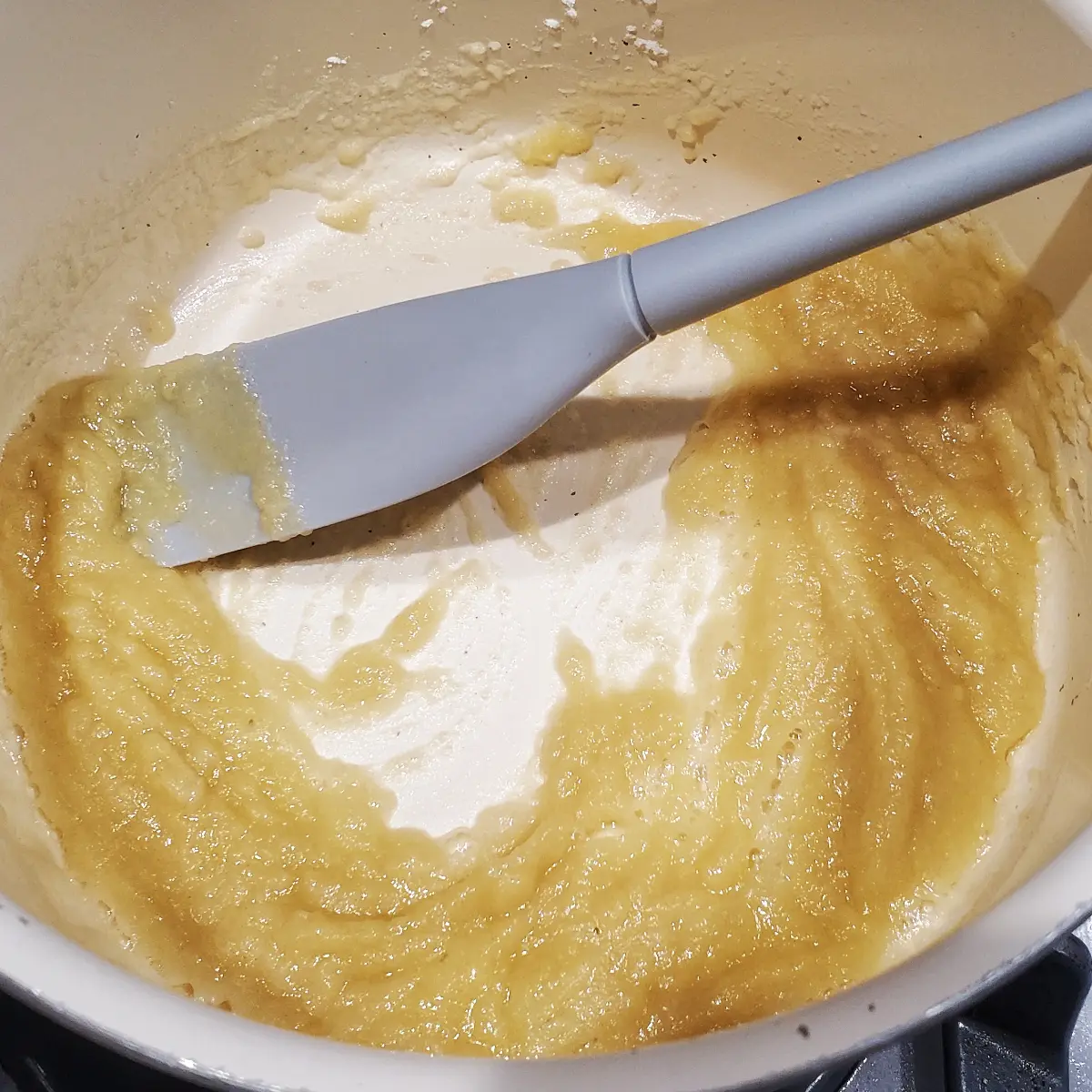
- Start the Roux: Melt the butter in a medium saucepan over medium heat. Sprinkle in the flour and whisk continuously for 1 to 2 minutes. You want the mixture to bubble and turn a pale golden color to cook out the raw flour taste.

- Add the Liquid: Slowly pour in the warmed milk or cream while whisking constantly. Do not stop whisking during this step to ensure no lumps form.
- Thicken the Base: Continue to cook the mixture for 2 to 3 minutes. You are looking for a consistency that coats the back of a spoon.
- Melt the Cheese: Turn the heat down to low. This is crucial as high heat can cause cheese to separate and become oily. Add the Monterey Jack and Asiago a handful at a time, whisking until smooth between each addition.
- Season and Adjust: Stir in the salt and black pepper. Taste the sauce. If it is too thick for your liking, whisk in an extra tablespoon of milk until it reaches your desired consistency.
If you like this cheese sauce, try my other 15 minute cheese sauce!
FAQ's
It is not recommended. Dairy-based sauces often separate and become grainy when thawed. It is best made fresh or stored in the fridge for a few days.
This usually happens if the heat was too high when adding the cheese. Always reduce the heat to low or remove the pan from the burner entirely before stirring in the cheese.
It is better to grate your own block cheese. Pre-shredded cheese contains anti-caking agents (like cellulose) that can prevent it from melting smoothly.
Not as written, because of the flour. To make it gluten-free, use a 1:1 gluten-free all-purpose flour blend for the roux.
Parmesan or Pecorino Romano are good substitutes for the flavor, though they are drier. If using them, ensure you keep the Monterey Jack base for creaminess.
Asiago doesn’t melt as smoothly as softer cheeses like mozzarella or Monterey Jack because it is aged and lower in moisture. On its own, it can turn grainy if overheated. That’s why this recipe combines it with a more melt-friendly cheese to keep the sauce smooth while still delivering that sharp, nutty flavor.
This usually happens when the heat is too high or the cheese is added too quickly. Lower heat and gradual mixing help keep the sauce emulsified.
Cooking with AI? Click the button below to send this exact recipe to ChatGPT so it doesn't miss any ingredients.
Recipe
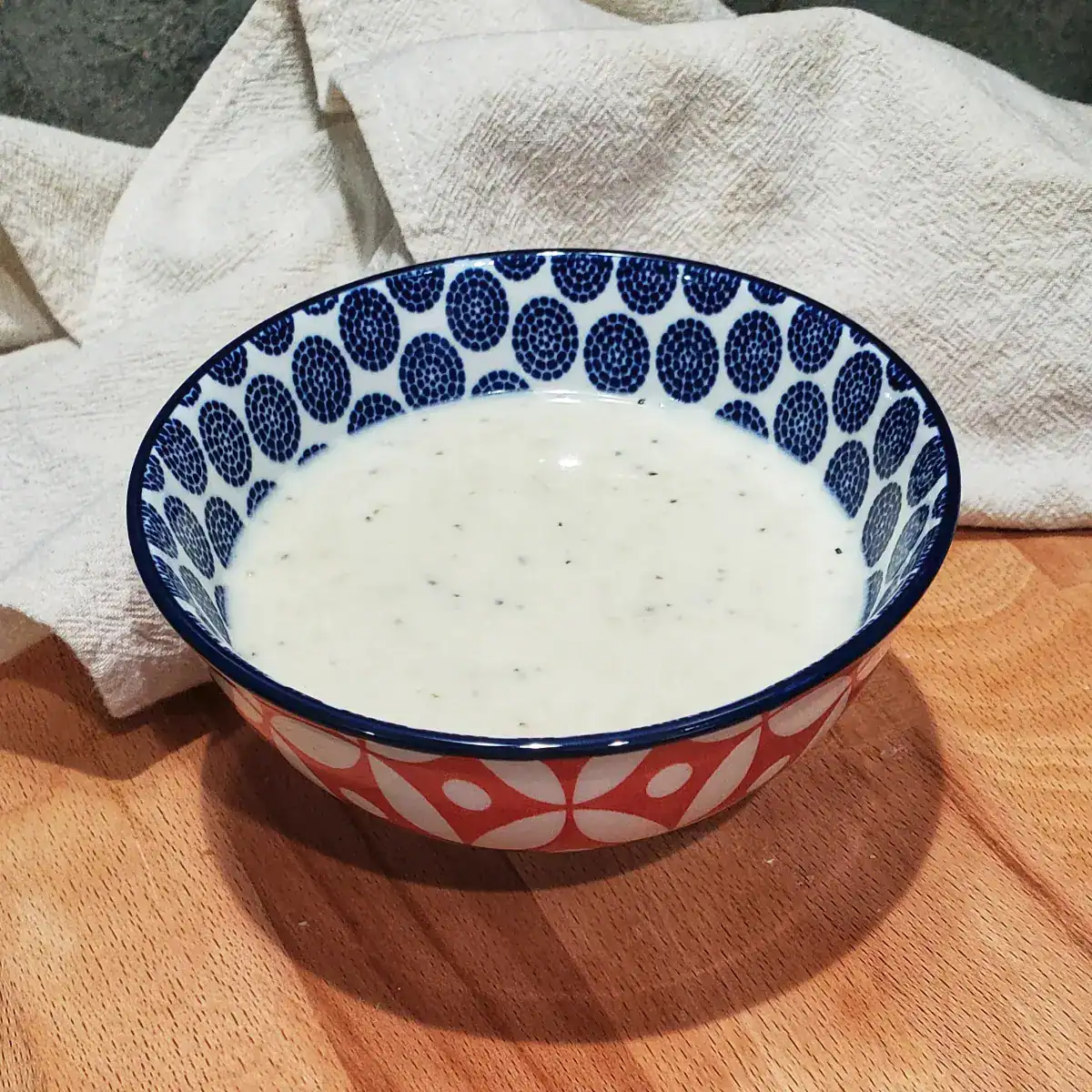
Creamy Asiago Cheese Sauce (15 minute recipe)
Ingredients
- 3 tablespoons butter
- 3 tablespoons flour
- 1 ¾ cups milk or cream warmed for 1 minute in the microwave
- 4 ounces shredded monterey jack cheese
- 4-5 ounces shredded Asiago cheese
- 1 teaspoon black pepper
- ½ teaspoon sea salt
- 1-2 tablespoons of milk if necessary
Method
- Melt the butter in a saucepan over medium heat. Whisk in the flour and cook for 1-2 minutes until bubbly (this removes the raw flour taste).
- Slowly pour in the warmed milk while whisking constantly to prevent lumps. Cook for 2-3 minutes until the sauce thickens enough to coat the back of a spoon.
- Reduce heat to low. Add the shredded asiago and Monterey jack cheeses a handful at a time, whisking until fully melted and smooth. Stir in the salt and pepper.
- If the sauce is too thick, whisk in an extra tablespoon of milk.
Nutrition
Notes
-
- Scaling Tip (Meal Prep): If you want to use this for lunches throughout the week, you can double the recipe. Store it in individual small mason jars. When ready to eat, microwave specifically on 50% power in 30-second intervals to prevent the sauce from breaking.
- Make Ahead: While best served fresh, you can store this in the fridge for up to 3 days. Reheat gently on the stove with a splash of milk.
- Cheese Options: Fontina is a great substitute for Monterey Jack if you want a slightly earthier flavor that still melts well.
- Spicing it up: A pinch of cayenne pepper or a dash of nutmeg adds a nice depth without making the sauce overly spicy.



Leave a Reply
You must be logged in to post a comment.